7 Tips for 480V to 13.8kV Step Up Transformer Specs?
Selecting a transformer for a 480-volt industrial system and a 13.8-kilovolt distribution network requires more than matching two voltage numbers. The phrase 480v To 13.8kv Step-Up Power Transformer Specs covers a complete design decision. It includes capacity, frequency, phase arrangement, impedance, insulation level, cooling method, and connection details.
This guide introduces seven practical tips for reviewing these specifications. It focuses on information engineers and maintenance teams can verify in real projects. A transformer may appear suitable on paper, yet fail to meet starting-current demands or available-fault requirements. Small details matter. A motor-starting study can change the recommended kVA rating. Cable length can also affect voltage performance.
Experienced teams usually begin with the connected load, future expansion, and operating environment. They then examine winding configuration, neutral treatment, tap range, temperature rise, and enclosure conditions. Outdoor installations may require different protection from clean indoor substations. Coastal air, dust, and high ambient temperatures deserve attention.
A neat spreadsheet is not enough. I have seen specifications overlook harmonic heating or incorrect primary protection assumptions. Those omissions can create expensive redesigns. Verification should include manufacturer data, routine test reports, applicable technical standards, and site-specific calculations. Independent review remains valuable, especially when the transformer feeds critical equipment.
The following tips explain what to check, why each item matters, and which questions should be directed to the supplier before purchase. They are practical, but not universal. Actual requirements must be confirmed by qualified electrical professionals.
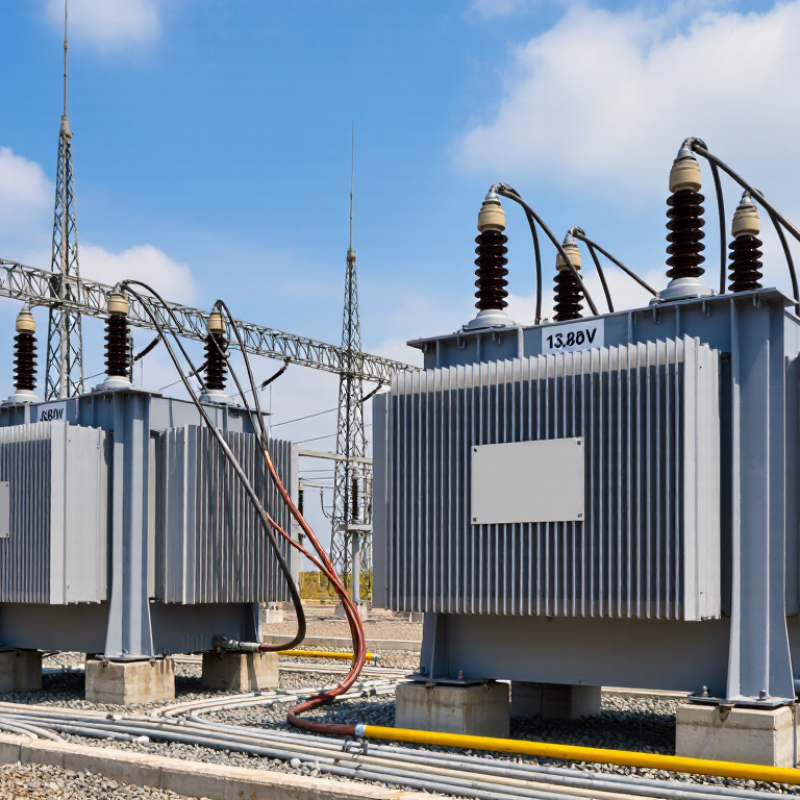
Understanding the 480V to 13.8kV Step-Up Transformer Application
A 480V to 13.8kV step-up transformer is commonly used in industrial plants, solar facilities, microgrids, and generator interconnections. The voltage ratio is approximately 28.75:1. However, the ratio alone does not define a suitable transformer. The application determines the real design.
Start with the required load in kVA or MVA, operating frequency, phase configuration, and expected duty cycle. A continuous load needs different thermal margins than a short-term generator output. Specify primary and secondary voltage ratings, tap range, impedance, insulation level, and basic impulse level. Grounding also matters. The 13.8kV winding may require a grounded-wye connection, depending on the distribution system and utility requirements. Check fault current carefully.
Cooling, enclosure type, altitude, ambient temperature, and installation location affect reliability. Dry-type units may suit indoor electrical rooms, while liquid-filled designs can support higher capacities outdoors. Harmonic-producing loads need special attention. Variable-speed drives can increase heating and noise. Protection should include suitable fuses or breakers, surge protection, temperature monitoring, and a coordinated grounding system.
Do not copy an old specification blindly. A transformer may meet the voltage requirement yet fail because its impedance conflicts with downstream protection. I would also verify inrush current, available short-circuit current, cable termination space, and maintenance access before approval. Small omissions become expensive problems. The final design should be reviewed against local electrical codes and the utility’s interconnection requirements.
Selecting Voltage, Power, and Phase Specifications
Choosing a 480V to 13.8kV step-up transformer starts with the voltage ratio, but the nameplate is only part of the decision. Confirm the actual low-voltage supply, acceptable voltage variation, system frequency, and required high-voltage output. A 480V source may not remain exactly 480V under heavy motor loads. That detail can affect tap settings and regulation.
Power sizing requires more than adding connected loads. Calculate running demand, motor starting current, harmonics, and the expected load growth. Specify the transformer in kVA or MVA, then check its thermal capacity under continuous operation. A practical design may need spare capacity, but excessive oversizing can increase cost and reduce efficiency. I have seen projects select capacity from peak estimates alone. That approach often misses short, severe starting events.
Phase specification must match the distribution system and connected equipment. Most industrial applications require three-phase service, with the winding connection selected for grounding, fault behavior, and compatibility with protection equipment. Review the vector group, impedance, neutral arrangement, and available short-circuit current with a qualified engineer. Do not overlook insulation level, basic impulse level, cooling method, enclosure, and installation altitude. Outdoor dust, moisture, and salt can change the enclosure requirement. Frequency matters too. A 60 Hz transformer should not be treated as interchangeable with a 50 Hz unit without verification. Small specification gaps become expensive corrections.
7 Tips for 480 V to 13.8 kV Step-Up Transformer Specs
Three-Phase Full-Load Current by Transformer Rating
The chart compares calculated full-load current on the 480 V and 13.8 kV sides for common transformer ratings. Values are based on the three-phase formula I = kVA × 1,000 ÷ (√3 × V), assuming balanced load, rated voltage, and 100% loading. Higher voltage greatly reduces current for the same power, which affects conductor sizing, protection, insulation, and phase specifications.
Checking Insulation, Cooling, and Efficiency Requirements
7 Tips for 480V to 13.8kV Step Up Transformer Specs
Insulation deserves careful attention in every 480V to 13.8kV design. Specify the required basic impulse level, power-frequency withstand, and winding clearances. Check insulation coordination against switching surges and lightning exposure. Moisture control matters during transport, storage, and installation. A small seal failure can reduce insulation life. It happens.
Review altitude, ambient temperature, and contamination conditions before approving the enclosure. Dry, dusty sites may require different creepage distances than clean indoor rooms. Request routine test results, including winding resistance, ratio accuracy, dielectric tests, and partial discharge data. Independent verification adds confidence. Still, test reports cannot replace a careful site inspection. Installation errors remain common.
Cooling requirements should match the real load profile, not only the nameplate rating. Compare natural-air cooling with forced-air operation when continuous loading varies. Confirm fan control, alarm settings, redundancy, and noise limits. Efficiency calculations must include no-load losses, load losses, auxiliary power, and expected load duration. Harmonic currents from drives can increase heating. Ask for derating data. A spreadsheet may look precise, yet poor assumptions can distort the result. Select taps for stable 13.8kV output, considering the 480V source variation and future demand. Have qualified engineers verify the final specification against applicable electrical standards and local operating conditions.
Confirming Installation, Testing, and Compliance Standards
A 480V-to-13.8kV transformer needs more than a correct voltage ratio. The ratio is about 28.75:1, but installation conditions determine safe operation. Confirm the load, fault current, frequency, phase configuration, tap range, impedance, and cooling class. Check whether the unit is dry-type or liquid-filled. That choice affects ventilation, fire protection, and spill control. The nameplate must match the approved drawings. Do not guess.
Before energizing, inspect terminations, bus spacing, cable bending, enclosure bonding, and grounding electrode connections. Verify primary and secondary phase rotation. A wrong rotation can damage connected motors. Measure insulation resistance, winding resistance, and turns ratio with calibrated instruments. Record test voltage, temperature, and readings. Apply dielectric or induced-voltage tests only under an approved procedure. For liquid-filled equipment, inspect fluid level, leaks, pressure devices, and containment. For dry units, remove dust and confirm open airflow paths.
Compliance should include current NEC and NFPA 70E requirements, applicable IEEE C57 or IEC standards, and local authority approval. Requirements vary by jurisdiction. Arc-flash labels, approach boundaries, interlocks, emergency isolation, and qualified-person procedures need clear documentation. In field reviews, one missed grounding jumper can undermine an otherwise excellent installation. That detail deserves a second look. Have an engineer review the final test package, protection settings, and commissioning records before energization.