How to Choose the Best Factory Workshop Light for Your Needs?
Choosing the right Factory Workshop Light can significantly impact productivity and worker safety. According to John Smith, an industry expert with over 15 years in lighting solutions, "The right light can transform a workspace." His words resonate deeply in a world where every detail matters, especially in factory settings.
When selecting lighting, consider power efficiency and brightness levels. An adequate light source minimizes shadows and boosts visibility. For instance, LED lights are popular for their longevity. They provide clear illumination, which is essential for precision work. Inadequate lighting can lead to mistakes and accidents, which can be costly. Understanding your specific needs is crucial.
Moreover, reflect on the layout of your workshop. Different areas require different lighting solutions. Not every factory workshop needs the same type of light. Some tasks are more detail-oriented than others. This variability in needs means that there is no one-size-fits-all solution. Take time to explore options that suit your unique environment.
Understanding the Importance of Proper Lighting in Factory Workshops
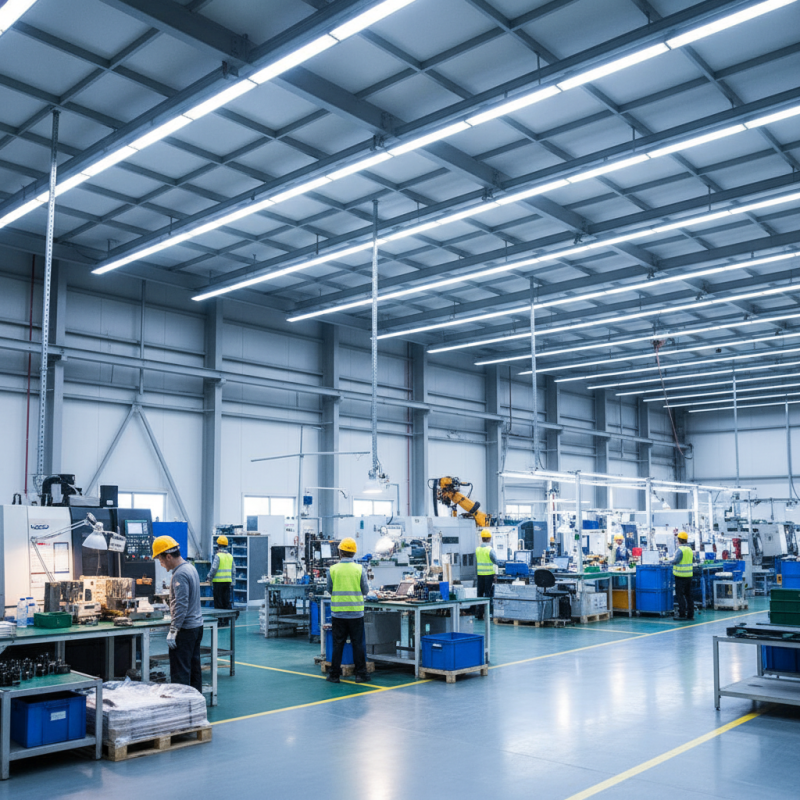
Lighting in factory workshops is often overlooked. Yet, it plays a critical role in productivity and safety. Proper lighting enhances visibility, making it easier for workers to perform tasks efficiently. A well-lit environment reduces the risk of accidents caused by poor visibility. Workers can complete their tasks with more accuracy and speed.
Choosing the right type of lighting is essential. Different areas of the workshop may require different solutions. For instance, assembly lines need bright, shadow-free light. Storage areas might benefit from softer lighting to reduce strain on the eyes. Balancing brightness and energy efficiency is vital. Sometimes, the more intense the light, the more energy it consumes.
However, not all workshops prioritize lighting. Some facilities still rely on outdated fixtures. This can lead to complaints from workers about eye strain and fatigue. It's important to regularly assess the lighting situation. Consider conducting surveys to gather feedback from employees. They can provide insights into lighting issues that management might not notice. Improvements in lighting can lead to a more productive and satisfied workforce.
Factors to Consider When Choosing Workshop Lighting Solutions
When selecting workshop lighting solutions, several factors warrant your attention. Light intensity is crucial. Bright lights can enhance visibility, improving safety and productivity. Consider the type of work performed. Different tasks may benefit from varying light levels. A dimly lit space can lead to errors and accidents.
Energy efficiency is another important aspect. Opt for lights that consume less power while providing adequate brightness. This choice saves costs and reduces environmental impact. Furthermore, the design and positioning of lights matter too. Proper placement can minimize shadows and glare, ensuring a safer workspace.
Also, think about the durability of the lights. Workshops can be harsh environments. Lights must withstand dust, moisture, and impacts. Regular maintenance is necessary to ensure longevity. Reflect on your unique needs, as every workshop is different. This consideration can prevent potential issues and improve overall effectiveness.
Types of Workshop Lights: LED, Fluorescent, and Halogen Options
When choosing a workshop light, you have several options: LED, fluorescent, and halogen. Each type has its strengths and weaknesses. LED lights are energy-efficient and long-lasting. They provide bright, focused light, which is excellent for detailed tasks. However, their initial cost can be higher.
Fluorescent lights are a popular choice for larger spaces. They offer a softer light and are more affordable upfront. However, they can flicker and may require more maintenance. It's essential to consider how often you'll need to replace bulbs.
Halogen lights are known for their brightness and color accuracy. They can illuminate large areas effectively. Yet, they generate heat, which might not be ideal in small spaces. Think about your workshop's specific needs. Balancing light quality, cost, and longevity is crucial when making your decision. There isn’t a one-size-fits-all solution. Each type requires careful thought regarding your tasks and environment.
Evaluating Energy Efficiency and Cost-Effectiveness in Lighting
Choosing the right lighting for factory workshops hinges on energy efficiency and cost-effectiveness. According to the U.S. Department of Energy, lighting accounts for about 20% of industrial energy consumption. Thus, selecting energy-efficient options can lead to substantial savings. The use of LED lighting can reduce energy use by 50% to 75% compared to traditional bulbs. This highlights the importance of analyzing your specific needs and potential savings.
Tip: Conduct an energy audit to understand current consumption. Small adjustments can lead to significant cost savings over time. Regularly updating your lighting system can further enhance efficiency. Furthermore, consider the layout of your workspace. Proper light placement significantly impacts overall effectiveness and energy usage.
Reflecting on past decisions can be crucial. Many factories have overlooked the importance of quality lighting. Insufficient illumination can lead to errors and decreased productivity. Investing in quality lighting directly correlates with worker safety and performance. Research indicates that well-lit environments improve morale and output. Every factory should evaluate their lighting systems regularly to ensure they align with operational goals and budget constraints.
How to Choose the Best Factory Workshop Light for Your Needs? - Evaluating Energy Efficiency and Cost-Effectiveness in Lighting
| Lighting Type | Lumens Output | Wattage | Energy Efficiency (lm/W) | Average Lifespan (hours) | Cost ($) | Annual Energy Cost ($) |
| LED | 5000 | 40 | 125 | 50000 | 80 | 48 |
| Fluorescent | 4000 | 32 | 125 | 20000 | 60 | 36 |
| HID | 3600 | 100 | 36 | 15000 | 120 | 72 |
| Incandescent | 800 | 60 | 13.3 | 1000 | 1 | 7.2 |
Safety and Compliance Standards for Factory Lighting Installation
When installing factory lighting, safety and compliance are paramount. Always adhere to local regulations regarding electrical safety. This ensures a safer workspace for all employees. Evaluate the risk factors in your factory. Heavy machinery, chemicals, and moving parts require specific lighting arrangements.
Tips: Consider using dimmable lights. They allow for better control over brightness levels. This can enhance safety by reducing glare during critical tasks. Additionally, ensure that fixtures are rated for the environment you operate in. Regular maintenance checks can prevent failures and enhance reliability.
Don't overlook potential hazards. Poorly illuminated areas can lead to accidents. Ensure emergency lighting is placed strategically throughout the facility. This includes pathways and exits. It is also wise to involve employees in discussions about their lighting needs. Their insights can reveal overlooked issues.