
Choosing the right lighting for your home or business is essential to create the perfect ambiance. According to renowned lighting designer Mary Smith, “Quality lighting transforms spaces, enhancing both mood and functionality.” Her insights highlight the significance of selecting the right fixtures.
Quality Lighting plays a crucial role in our lives, impacting our productivity and comfort. For instance, warm lighting can make a space feel inviting. In contrast, harsh lighting may create feelings of unease. Many overlook how lighting affects their daily activities, from reading to entertaining guests.
It’s also important to recognize that not all lights are created equal. Many people often choose based on aesthetics alone. However, understanding the difference in quality can make a formidable impact. Energy efficiency, color temperature, and brightness are key factors that deserve attention. Choosing Quality Lighting may require reflection on your preferences and needs. Remember, illumination is more than just visibility; it shapes our experiences.
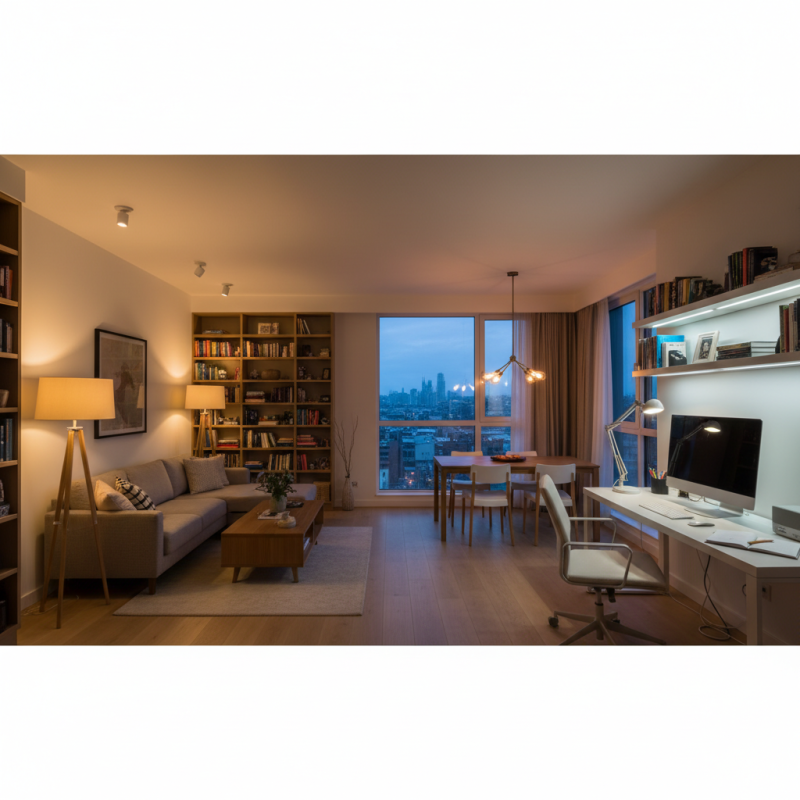
Lighting plays a crucial role in shaping the atmosphere of our homes and businesses. Understanding the types of lighting is essential for effective design. Ambient, task, and accent lighting each serve a distinct purpose. According to the National Institute of Building Sciences, proper lighting enhances productivity by up to 25% in workspaces. This highlights the importance of choosing the right style and type.
Ambient lighting provides overall illumination. It creates a base light level. Common sources include chandeliers and LED ceiling fixtures. In contrast, task lighting focuses light on specific areas. For instance, desk lamps and under-cabinet lights illuminate areas for work or cooking. An industry report by the U.S. Department of Energy suggests that well-planned task lighting can reduce energy consumption by up to 30%.
Accent lighting, on the other hand, adds drama to spaces. It highlights artwork or architectural features. However, overusing accent lights can create unflattering shadows. Balancing these three types of lighting is essential for achieving a cohesive look. A mistake sometimes made is neglecting natural light, which can lead to harsher artificial lighting. Integrating windows and strategically placed mirrors may enhance a space’s light quality.
When evaluating lighting needs, consider each space's unique function. A kitchen demands bright, task-oriented lighting. You may opt for recessed lights over countertops or pendant lights above islands. This ensures safe food preparation and enhances visibility.
Living areas, on the other hand, benefit from warm, ambient lighting. Soft, dimmable fixtures create a cozy atmosphere. Think about adjustable options that allow for mood changes during gatherings or quiet evenings. Aim for a balance of light fixtures to avoid harsh shadows or overly bright spots.
Don’t overlook the impact of natural light. Large windows can be beneficial. However, they may lead to glare. Use curtains or shades wisely. Also, assess how artificial light interacts with natural light throughout different times of the day. It's essential to reflect on these aspects to create a harmonious environment.
Choosing the right bulbs greatly impacts both aesthetics and energy efficiency. LED, incandescent, and fluorescent options each have unique characteristics. LEDs are known for their longevity. They can last up to 25,000 hours. This is more than 25 times longer than incandescent bulbs. According to the U.S. Department of Energy, switching to LED can reduce energy consumption by 75%.
Incandescent bulbs provide warm light but are inefficient. They convert most energy into heat rather than light. This results in higher electricity bills. Approximately 90% of their energy is wasted as heat. Fluorescent bulbs are a middle ground. They are more efficient than incandescent bulbs but less so than LEDs. They can last around 10,000 hours. However, they contain small amounts of mercury, which raises environmental concerns.
Selecting the right lighting requires balancing efficiency, cost, and health aspects. Regularly reassessing lighting choices is important. It may reveal outdated technologies still in use. Homeowners and businesses should evaluate their current bulbs. The goal is to make informed choices that benefit both budget and environment.
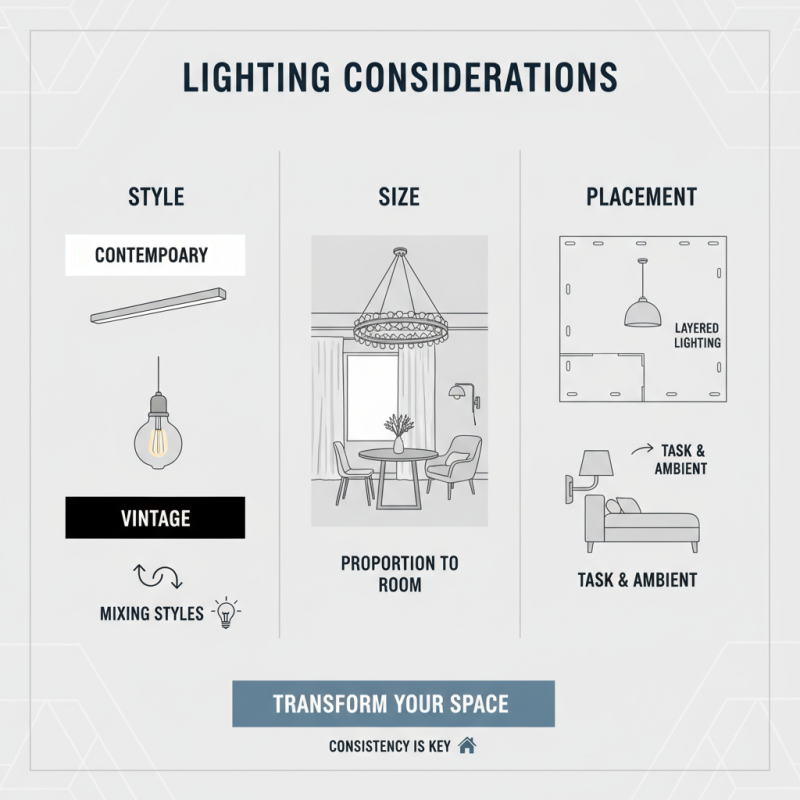
Choosing the right lighting can transform a room's mood. Fixture style plays a critical role. For contemporary spaces, sleek designs work well. In contrast, vintage fixtures can add character. Mixing styles can create unique aesthetics. Ensure consistency in the theme throughout your space.
Size matters immensely when selecting lighting. A small room needs appropriately sized fixtures. Overly large pieces can overwhelm the space. Conversely, small fixtures can seem insignificant in grand areas. Consider the scale of your furniture and the room’s height. Visual balance is key; each fixture should complement the surrounding elements.
Placement requires careful thought too. Task lighting needs to be functional. Position fixtures above workspaces for optimal illumination. Ambient lighting should fill areas without creating harsh contrasts. Spotlight specific features like artwork or architectural details. Reflect on how light influences your daily activities. Good lighting can enhance productivity and comfort.
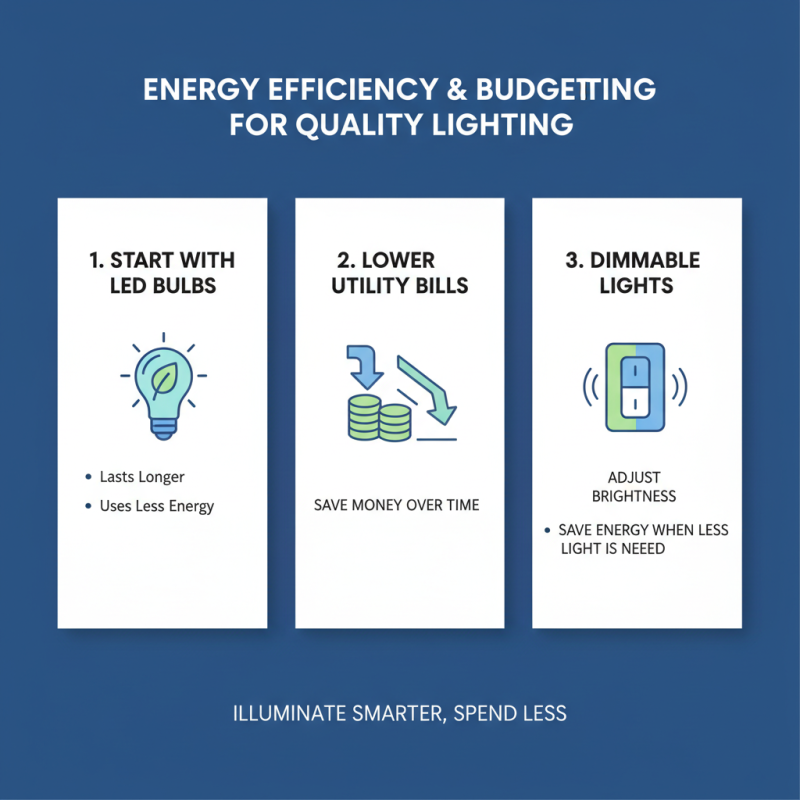
When selecting quality lighting, energy efficiency is key to managing expenses. LED bulbs are a great start. They last longer than traditional bulbs and consume less energy. This means lower utility bills over time. Consider dimmable lights too. They allow you to adjust brightness, saving energy when full light isn't needed.
Budgeting for lighting solutions requires careful consideration. Look into the initial costs versus long-term savings. Sometimes, higher upfront costs can lead to better savings. Research available options thoroughly before purchasing. Explore rebates or incentives offered for energy-efficient products. Such rebates can ease financial strain.
**Tips:**
1. Measure the space properly before buying fixtures. This prevents costly mistakes.
2. Compare lumens, not watts, for brightness. Not all bulbs are the same.
3. Remember to replace old bulbs gradually. This allows for better budgeting over time.
TERMS OF USE - LEDOLUX
This site uses cookies in order to deliver services in accordance with Privacy Policy. You can use settings within your browser to control the cookies that are set on your computer – conditions of access or storage of cookies.
Your data controller will be LEDOLUX POLAND SP. ul. Innowacyjna 1; 36-060 Głogów Małopolski, which adapts the content of its website to your needs and analyses and examines them to improve it. More information.