How to Choose the Right Ball Bearing for Your Project?
Choosing the right Ball Bearing for your project is crucial. The global ball bearings market is projected to reach $21 billion by 2027. This growth is fueled by advancements in technology, increasing automation, and the demand for high-efficiency components. Understanding how to select the right bearing is essential for optimal performance.
Ball bearings are integral in various applications, from automotive to aerospace. They minimize friction and improve operational efficiency. However, many overlook the specific requirements for their projects. A wrong selection can lead to early failures and increased costs. The average lifespan of a ball bearing can range from several thousand hours to nearly 100,000 hours, depending on the application and maintenance.
Selecting a ball bearing involves assessing load conditions, speed, and operating environment. Bearings must withstand specific loads and conditions effectively. A mismatch can result in performance degradation and unexpected downtime. It's essential to weigh all options carefully. Consider detailed specifications and trusted suppliers. Ultimately, your choice will significantly impact the overall success of your project.
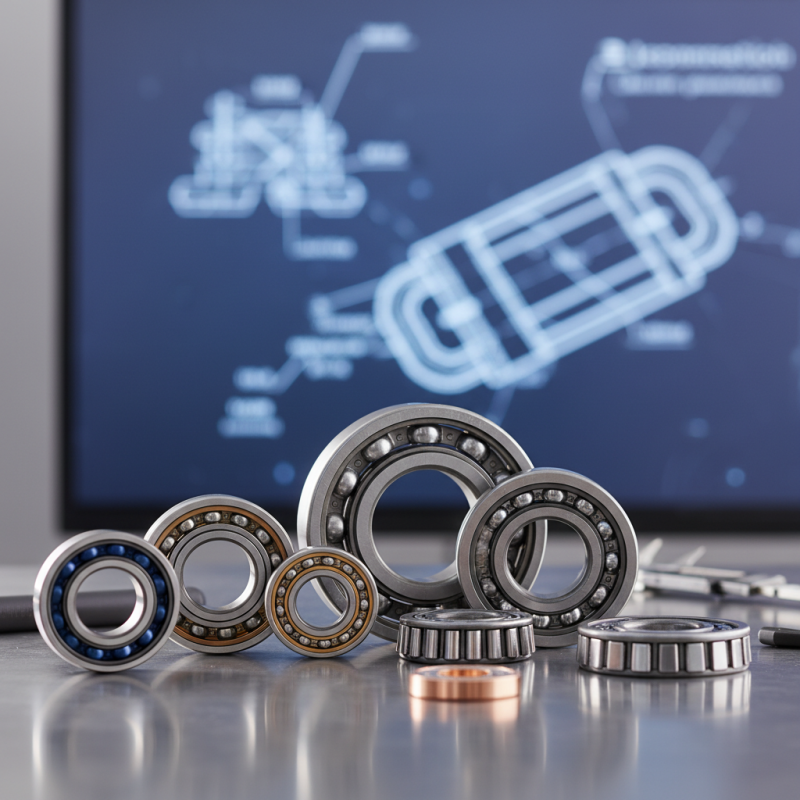
Understanding the Different Types of Ball Bearings Available
When selecting the right ball bearing, understanding the various types is essential. There are deep groove, angular contact, and thrust ball bearings, each serving distinct purposes. Deep groove bearings are the most common. They suit radial and axial loads, making them versatile. Angular contact bearings support high-speed applications with greater precision. Thrust bearings specialize in handling axial loads only.
Consider the environment where the bearing will operate. Factors such as temperature and moisture can affect performance. Choose materials that can withstand these conditions. For example, stainless steel offers corrosion resistance. Plastic bearings are lightweight and perform well in specific applications.
Tips: Assess load requirements clearly. Overloading can lead to premature failure. Ensure proper lubrication to prolong lifespan. Regular maintenance is also key. Watch for unusual noises or vibrations—they may signal trouble.
Key Factors to Consider When Selecting Ball Bearings
When selecting ball bearings for your project, consider several key factors. Load capacity is crucial. Understand how much weight the bearing will support. Too little can lead to failure, while too much can cause friction. Ensure the load rating matches your application needs.
Next, look at speed ratings. Different bearings handle varying speeds. If your application requires high-speed rotation, choose a bearing designed for it. Ignoring this may result in overheating and premature wear.
The bearing's material is another vital point. Steel bearings are common, but ceramic ones may offer better durability in harsh environments.
Lastly, pay attention to the size and dimensions. A wrong measurement can result in fit issues. Additionally, check for lubrication methods. Proper lubrication extends the life of the bearing. Remember, making the right choice requires careful thought and evaluation.
Even minor oversights can lead to significant consequences. It's worth taking the time to reflect on your specific project needs.
Assessing Load Capacity and Speed Requirements
Choosing the right ball bearing is crucial for your project's success. When assessing load capacity, it's essential to understand the specific demands of your application. According to a report from the International Bearing Industry Association, most bearings can handle loads ranging from 500 to 10,000 newtons. However, it's important to match this capacity with your project's requirements.
Speed is another critical factor. Different bearings are rated for various RPMs. For instance, deep groove ball bearings often exceed 30,000 RPM, while thrust bearings may handle lower speeds better. Prioritizing the correct bearing type is vital as speed affects performance and lifespan.
Tip: Always examine your load requirements before selecting bearings. Underrating them could lead to early failure.
Keep in mind that environmental factors play a role too. Temperature and humidity can affect performance. Overlooking this can be a common mistake.
Tip: Consider consulting industry data on load and speed ratings to make informed decisions. Accurate assessments now can save you time and resources later.
Material and Environmental Considerations for Ball Bearings
Choosing the right material for ball bearings is crucial. Different materials offer various benefits and drawbacks. Steel is widely used, offering durability and resistance to wear. However, it can corrode in humid environments. According to industry reports, around 30% of failures in bearings occur due to material issues.
Ceramic bearings present an alternative. They are lightweight and corrosion-resistant. Unlike steel, ceramics can withstand higher temperatures. Yet, they tend to be brittle, which might lead to unexpected failures. A study indicated that in certain applications, ceramic bearings last three times longer than steel.
Environmental conditions also matter. Bear in mind the temperature, moisture, and contamination levels. High humidity can lead to rust. In dusty environments, proper sealing is essential. An article published in the Journal of Tribology shows that 25% of equipment breakdowns are linked to inadequate sealing of bearings. Make sure to consider these factors to avoid potential issues in your project.
Maintenance and Lifespan of Ball Bearings in Applications
When selecting ball bearings, understanding their maintenance and lifespan is crucial. Ball bearings typically require regular maintenance to achieve optimal performance. According to industry reports, properly lubricated bearings can last anywhere from 1,000 to 10,000 hours, depending on application conditions.
Grease levels, for example, play a vital role in bearing longevity. Insufficient lubrication can lead to increased friction, resulting in premature wear. Studies indicate that nearly 40% of bearing failures stem from poor lubrication practices. Therefore, monitoring the lubrication intervals is essential. It's advisable to observe the manufacturer's recommendations but also adapt based on real-world usage.
Temperature is another critical factor. Bearings operating at elevated temperatures can exhibit reduced lifespans. A consistent operating temperature below 70°C often ensures a longer service life. However, many applications expose bearings to higher temperatures inadvertently. This oversight may necessitate early replacements. Ultimately, a proactive approach in maintenance can significantly extend the lifespan of ball bearings, but it is vital to remain adaptable to the working conditions. Regular checks can prevent costly downtimes and extend performance efficiency.
Lifespan of Ball Bearings Based on Application Type
The chart below illustrates the average lifespan of ball bearings depending on their application type. Understanding these differences can help you choose the right ball bearing for your project.