How to Choose the Right Molded Case Circuit Breaker for Your Needs?
Choosing the right Molded Case Circuit Breaker (MCCB) is crucial for electrical safety and efficiency. According to a report by MarketsandMarkets, the global MCCB market is projected to reach $6.7 billion by 2026, growing at a CAGR of 5.1%. This growth reflects the increasing demand for innovative electrical solutions that ensure both protection and reliability.
Molded Case Circuit Breakers serve as a vital component in industrial and commercial electrical systems. They protect against overloads and short circuits, ensuring uninterrupted operations. Selecting the right MCCB involves understanding specific requirements such as voltage ratings, current ratings, and application types. For instance, a poorly chosen MCCB may lead to equipment failures or safety hazards, emphasizing the need for informed decisions.
Industry professionals often recommend consulting the National Electrical Code (NEC) guidelines to determine the appropriate specifications. However, navigating these options can be overwhelming. Many factors can affect your choice. These include future expansion plans and environmental conditions. By considering these elements carefully, you can enhance both safety and operational efficiency in your projects.
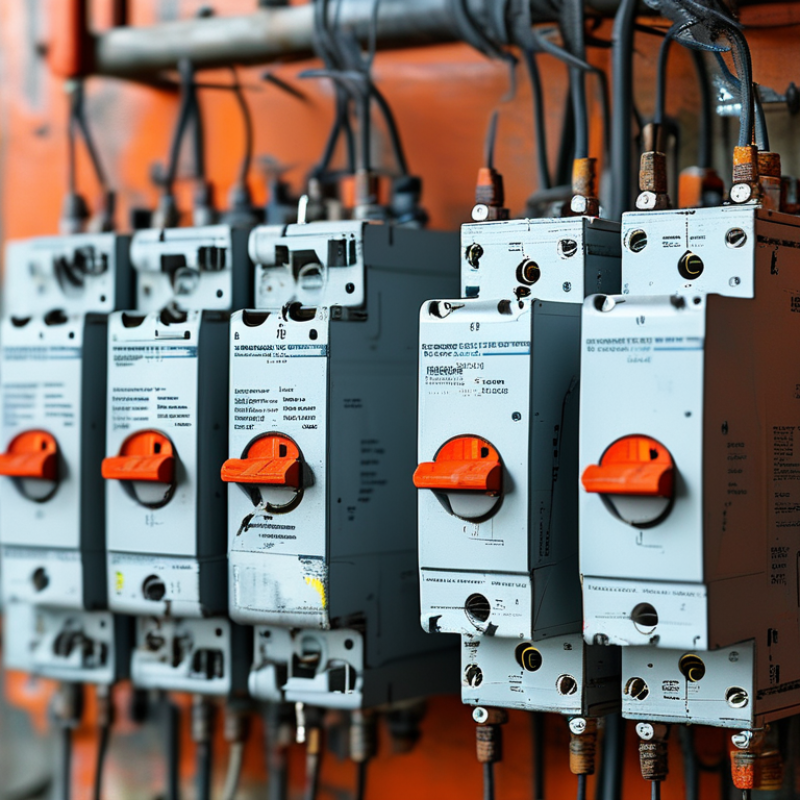
Understanding Molded Case Circuit Breakers: Basics and Functionality
Molded Case Circuit Breakers (MCCBs) are vital components in electrical systems. They offer protection against overloads and short circuits. Understanding their basic functionality helps in choosing the right type for specific needs. Reports from industry experts indicate that MCCBs can handle current ratings typically ranging from 16A to 2500A. This versatility makes them suitable for residential and industrial applications alike.
MCCBs function by using an electromechanical mechanism to interrupt the flow of electricity. When an overload occurs, the breaker trips, stopping potential harm to circuits and connected devices. Interestingly, studies reveal that improper sizing can lead to frequent tripping or failure to protect. It’s essential to consider voltage ratings and choice of accessories such as auxiliary contacts.
Consider installation conditions. If the environment is harsh, opt for breakers with higher protection ratings. Ensure that the selected MCCB has an appropriate trip curve for the specific application. Beyond these factors, one must also analyze future load increases or potential expansions. This foresight can prevent costly adjustments later.
Key Specifications: Amperage Ratings and Voltage Levels in MCCBs
Choosing the right molded case circuit breaker (MCCB) involves understanding key specifications like amperage ratings and voltage levels. Amperage rating determines how much current the MCCB can handle without tripping. If you select a rating that is too low, the breaker may trip frequently under normal conditions. Conversely, a rating that is too high can put your equipment at risk of damage.
Voltage levels are just as crucial. Each MCCB is designed for different voltage applications. Ensure the breaker matches your system's voltage requirements. A mismatch can lead to equipment failures or safety hazards. Reviewing the manufacturer's specifications is vital. Not every application aligns perfectly with theoretical values. Always consider the operating environment and load types. Real-world conditions may differ from rated capacities.
Installation and maintenance also require careful thought. Monitoring the performance of your MCCB can prevent unexpected issues. Regular checks help identify aging components. Understand that selecting an MCCB may involve some trial and error. Each installation is unique, and adapting to specific needs is part of the process. This journey enhances both safety and reliability.
Selecting the Right MCCB: Considerations for Application and Environment
Choosing the right molded case circuit breaker (MCCB) requires careful consideration of both the application and the environment in which it will operate. Start by evaluating the specific application. Different environments demand distinct functionalities. For example, industrial settings may face high levels of humidity or dust, which can influence the choice of MCCB. Ensure the selected circuit breaker can withstand such conditions, prioritizing those with appropriate environmental ratings.
Another aspect to consider is the voltage and current ratings. Make sure the MCCB aligns with your system's requirements. An undersized breaker could lead to frequent tripping, while an oversized one might compromise protection. Additionally, consider the fault current that can occur. The MCCB should be capable of interrupting these fault currents safely.
Take time to reflect on the long-term implications of your choice. A lower-priced MCCB might save money initially but could lead to higher maintenance costs. Assessing reliability is essential, as failures can result in significant downtime. Ultimately, weighing these factors and seeking advice from industry experts can guide you toward the most suitable MCCB for your needs.
Analyzing Fault Current Ratings and Short-Circuit Protection Needs
When selecting a molded case circuit breaker (MCCB), assessing fault current ratings is crucial. A reliable MCCB should handle potential fault currents from electrical faults without failure. According to industry reports, proper evaluation of potential short-circuit scenarios can prevent equipment damage and ensure safety. An MCCB rated at 25 kA can provide the protection needed in many commercial settings. However, this may vary widely based on system design and load requirements.
Short-circuit protection is another significant factor. Many facilities experience varying short-circuit levels due to diverse industrial applications. Studies indicate that choosing an MCCB that meets or exceeds the calculated short-circuit current is essential. A breaker with an inadequate rating could trip unnecessarily, leading to operational downtime. It's necessary to conduct a thorough short-circuit analysis specific to your facility's electrical characteristics.
Furthermore, finding the right breaker involves understanding local regulations and standards. Not all installations require the highest ratings, and oversizing can lead to increased costs and unnecessary complexity. A balanced approach considers both operational needs and safety regulations. Regularly reviewing and updating circuit protection strategies will improve overall system reliability. There’s always room for reevaluation based on system performance and emerging technologies.
Evaluating Installation and Maintenance Requirements for MCCBs
When evaluating installation needs for molded case circuit breakers (MCCBs), clarity is essential. Begin by assessing your power requirements. MCCBs come in various current ratings. Choosing the wrong size can lead to insufficient protection or nuisance tripping. Each installation site is unique, requiring careful measurement of load and capacity. Understanding the environment is also crucial. For instance, installations in damp areas require additional considerations, such as moisture-resistant features.
Maintenance demands should not be overlooked. Regular inspection ensures reliable operation. Dust accumulation can cause overheating. It's important to check the connections. Loose wiring can lead to failures. Scheduled maintenance can identify issues early. However, not every team has the expertise for MCCB upkeep. Companies may need to invest in training. Differences in manufacturer designs can complicate this, too. Understanding these nuances is vital for long-term reliability. Engaging with a knowledgeable electrical professional can make a significant difference.
Choosing the Right Molded Case Circuit Breaker (MCCB)