

Buying an electric hybrid car can feel like choosing between two worlds. It combines a gasoline engine, an electric motor, and a battery pack. That combination may lower fuel use, but it also creates more questions. A quiet test-drive may hide expensive battery replacement risks. A glossy fuel-economy label may not match your daily traffic, climate, or driving habits. This guide, “10 Tips for Buying Electric Hybrid Cars,” turns those concerns into practical checks. It focuses on ownership experience, verified specifications, maintenance records, charging behavior, and realistic running costs.
David Reichmuth, a senior engineer at the Union of Concerned Scientists, has said, “Hybrid vehicles are a good option for drivers who want to reduce their emissions but aren’t ready to go fully electric.” His point deserves careful thought. A hybrid can suit commuters who drive through crowded streets every morning. It may also help families who travel far from charging stations. However, no vehicle fits everyone. I once watched a buyer compare only the advertised miles per gallon, then overlook insurance, tire prices, and battery warranty coverage. That mistake can become expensive.
Look beyond the showroom shine. Check how smoothly the engine starts, whether regenerative braking feels natural, and whether the rear cargo area meets your needs. Ask for service invoices. Read the warranty conditions closely. Compare several models using your actual weekly mileage. Numbers matter. So does comfort. Some buyers may still choose a conventional car after honest comparison. That is not failure; it is responsible decision-making. The following ten tips aim to make that decision clearer, more practical, and less dependent on marketing promises.
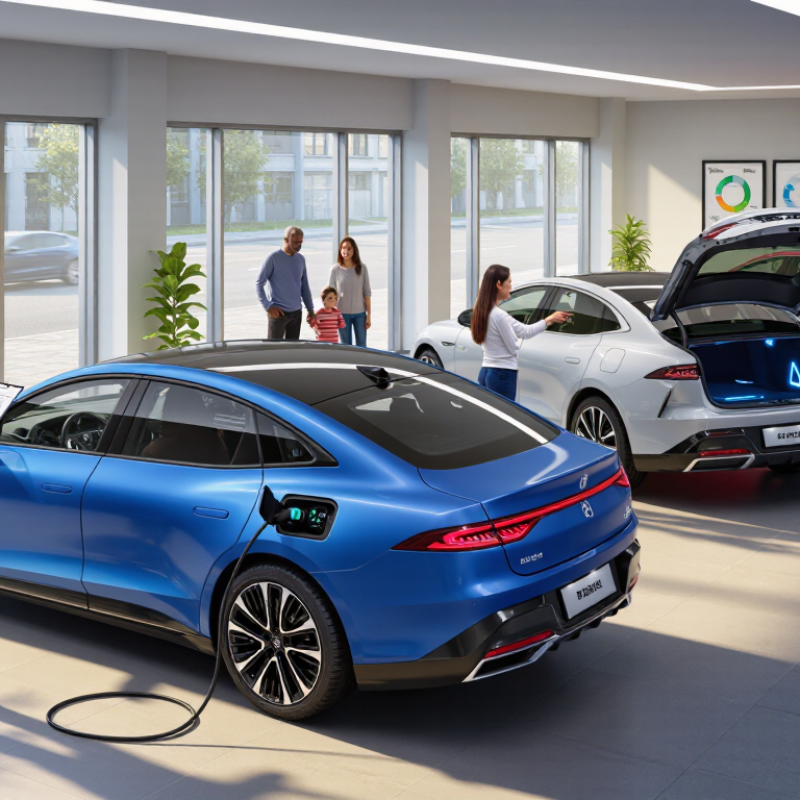
Buying an electric hybrid begins with reading EPA ratings, not trusting a showroom promise. Check combined MPG for an HEV. For a PHEV, compare MPGe, electric range, gasoline MPG, and charge time. EPA’s Fuel Economy Guide explains that MPGe measures electricity and gasoline on one energy scale. It does not predict every driver’s bill.
Look at your daily route. Measure the round trip. If it fits within the PHEV’s EPA electric range, charging may cover most weekday travel. Verify your home outlet, winter temperatures, and public-charging access. EPA testing includes city and highway cycles, but heavy traffic, cold weather, hills, and cabin heating can reduce results. Small details matter. Record your actual energy use for one week.
Compare annual fuel costs through fueleconomy.gov, using your local electricity and gasoline prices. Check the PHEV’s charge-depleting and charge-sustaining ratings separately. The U.S. Department of Energy’s Alternative Fuels Data Center reports that charging behavior strongly affects PHEV energy use. An HEV may suit drivers without reliable charging. A PHEV may deliver lower routine fuel use when charged regularly. Do not assume the larger battery always wins. EPA’s 2024 Automotive Trends Report shows efficiency varies widely across vehicle types, so compare similar sizes and driving needs. I would also inspect cargo space and tire costs. My imperfect rule: test the numbers twice. Real life can disagree.
10 Tips for Buying Electric Hybrid Cars
Calculate total ownership cost before comparing sticker prices. Use weekly gasoline and electricity figures from the U.S. Department of Energy’s Alternative Fuels Data Center. Enter your local fuel price, annual mileage, and charging rate. Tip 1: Use real commuting distance, not an optimistic estimate. Tip 2: Compare fuel costs over five years. Tip 3: Include home-charger installation. Tip 4: Check winter efficiency losses. Cold weather matters. DOE data changes regularly, so record the date and location. A mistake here can distort your entire calculation.
Add financing interest, registration fees, insurance, maintenance, tires, and depreciation. AAA’s 2024 Your Driving Costs report estimated average new-vehicle ownership at $12,297 annually, with depreciation as a major expense. Hybrid depreciation may differ by age, mileage, and battery warranty. Tip 5: Request insurance quotes before purchase. Tip 6: Review battery coverage carefully. Tip 7: Budget for replacement tires. Tip 8: Compare loan terms, not monthly payments. Tip 9: Ask an independent technician about service intervals. Tip 10: Test your normal route, including traffic and hills.
A spreadsheet helps, but it is not a crystal ball. Electricity prices can rise, and fuel prices can fall. The U.S. EPA’s fuel-economy methodology offers useful comparison data, yet personal driving remains decisive. I would test two scenarios: conservative and optimistic. Include resale uncertainty. Also include charging losses, which many buyers forget. The cheaper option on paper may feel expensive during a long winter commute.
| Vehicle category | Typical efficiency assumption | Purchase price | Energy cost | Maintenance cost | Estimated resale value | Five-year ownership cost | Cost per mile |
|---|---|---|---|---|---|---|---|
| Gasoline reference vehicle | 32 mpg | $30,000 | $6,600 | $6,000 | $10,500 | $32,100 | $0.54 |
| Non-plug-in hybrid | 48 mpg | $34,000 | $4,400 | $4,800 | $12,920 | $30,280 | $0.50 |
| Plug-in hybrid | 60% electric miles; 3.2 mi/kWh; 40 mpg gasoline mode | $38,000 | $3,912 | $4,200 | $13,300 | $32,812 | $0.55 |
| Battery-electric vehicle | 3.5 mi/kWh | $40,000 | $2,743 | $3,000 | $12,800 | $32,943 | $0.55 |
| No. | Buying tip | Data to check | How it affects ownership cost |
|---|---|---|---|
| 1 | Calculate total cost, not only the purchase price. | Purchase price + financing + energy + maintenance + insurance + taxes − resale value. | A higher initial price can be offset by lower operating costs, but depreciation usually remains the largest cost. |
| 2 | Use your real annual mileage. | Estimated annual miles, commuting distance, and long-trip frequency. | Fuel savings increase with mileage; low-mileage drivers may need longer to recover a higher purchase price. |
| 3 | Replace assumptions with local energy prices. | Local gasoline price, electricity tariff, time-of-use rates, and public charging rates. | The displayed energy totals change directly when price per gallon or kWh changes. |
| 4 | Estimate home-charging access. | Parking location, electrical capacity, installation cost, and overnight charging availability. | Frequent public charging can materially increase the energy cost of a plug-in model. |
| 5 | Match the powertrain to your driving pattern. | Daily electric range needed, highway percentage, climate, terrain, and towing requirements. | Cold weather, high speeds, hills, and towing can reduce real-world electric efficiency. |
| 6 | Compare verified efficiency ratings. | Combined mpg, kWh per 100 miles, charging losses, and independent test results. | Small efficiency differences compound across thousands of miles. |
| 7 | Include scheduled maintenance. | Tire replacement, inspections, fluids, brake service, and hybrid-system checks. | Regenerative braking may reduce brake wear, while tires and inspections still remain recurring costs. |
| 8 | Review battery warranty coverage. | Warranty duration, mileage limit, capacity threshold, and coverage exclusions. | Battery coverage can reduce financial risk, but warranty terms differ by vehicle and location. |
| 9 | Estimate insurance, taxes, and fees. | Insurance quote, registration charges, road-use fees, and applicable incentives. | These items are location-specific and may outweigh part of the energy savings. |
| 10 | Test resale sensitivity. | Expected resale percentage, annual depreciation, mileage, battery condition, and market demand. | A 5-percentage-point change in residual value can alter five-year cost by thousands of dollars. |
10 Tips for Buying Electric Hybrid Cars?
Check the battery health report before discussing price. Ask for usable capacity, fault codes, and recent diagnostic results. A short test drive is not enough. Watch for slow acceleration, warning lights, or unusual cooling fan noise. Inspect the battery case underneath for dents, corrosion, or moisture marks. Ask how the vehicle was charged and stored during very hot or cold seasons. These details can reveal risks that a polished cabin hides.
Read the battery warranty carefully, including its years, mileage limit, and capacity threshold. Confirm whether the warranty transfers to a second owner. Check coverage for the inverter, charging system, and high-voltage cables too. Exclusions matter. Some policies cover failure but not gradual capacity loss. Request service records, then compare them with the seller’s statements. An independent technician should scan the system before purchase.
Use IEA cost trends as context, not as a personal price forecast. Battery costs have generally declined over time, but regional supply, taxes, and repair access can change the outcome. Compare the purchase price with expected fuel, electricity, maintenance, insurance, and battery-replacement costs. A cheaper car may need expensive battery work sooner. I would also leave room for uncertainty; energy prices and repair bills rarely follow neat forecasts. Calculate your normal weekly distance, not an optimistic one. Ask for two written estimates.
A plug-in hybrid only saves fuel when its battery matches your daily routine. DOE listings often show electric ranges from roughly 15 to 50 miles, depending on the model year and vehicle design. Check FuelEconomy.gov for the exact figure, not a sales-page estimate. Then measure your normal travel, including school stops, traffic, and a return trip.
Charging access changes the decision. A Level 1 outlet may add only a few electric miles overnight. A 240-volt Level 2 connection can refill the battery more quickly, but installation costs and building rules matter. Picture your driveway at 7 p.m. Can the cable reach the outlet safely? If you rent, confirm permission before choosing a longer-range PHEV.
Do the math honestly. If your weekday route is 28 miles and the DOE-rated range is 32 miles, winter temperatures, heating, hills, and aging batteries may remove your cushion. A 40-mile rating may fit better. Public charging can help, but relying on it every day may become inconvenient. One planning mistake is treating the highest range number as guaranteed. It is not. Record one week of driving, compare that distance with the DOE-tested electric range, and revisit the calculation after including weekend travel. Also inspect charging times, warranty terms, and the vehicle’s usable battery capacity.
10 Tips for Buying Electric Hybrid Cars?
Check crash-test results before comparing screens or trim packages. The Insurance Institute for Highway Safety’s 2024 evaluations show that driver-assistance performance can vary sharply between vehicles. Read the full test, not only the award label. Confirm open recalls through the National Highway Traffic Safety Administration’s database. Ask for battery warranty terms, charging equipment, and repair records. A quiet test drive can hide worn brakes or uneven tire wear. Test the car cold, warm, uphill, and in traffic. Real life is messier.
Verify incentives on the official tax authority website before signing. Eligibility may depend on income, vehicle price, battery sourcing, purchase date, and whether the credit transfers at sale. Local rebates can also have funding limits. Estimate fuel savings using the EPA Fuel Economy Guide, then reduce the estimate for winter heating, heavy loads, and high-speed driving. Those details matter.
Study depreciation carefully. The 2024 Automotive Lease Guide residual-value forecasts show that electrified vehicles can have very different three-year values. Battery health, mileage, charging access, and warranty length influence resale more than optimistic advertisements suggest. Consumer Reports’ 2024 reliability survey also found meaningful differences among electrified powertrains. Ask an independent technician for a battery-health scan. It costs money. It may prevent a painful mistake. I once trusted a perfect service history too quickly; the real inspection revealed neglected suspension work. Leave room for doubt.
TERMS OF USE - LEDOLUX
This site uses cookies in order to deliver services in accordance with Privacy Policy. You can use settings within your browser to control the cookies that are set on your computer – conditions of access or storage of cookies.
Your data controller will be LEDOLUX POLAND SP. ul. Innowacyjna 1; 36-060 Głogów Małopolski, which adapts the content of its website to your needs and analyses and examines them to improve it. More information.