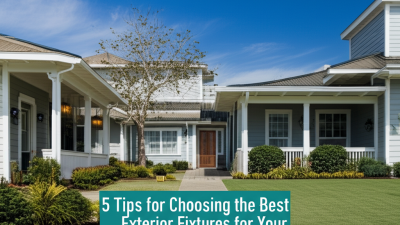

Choosing the right Exterior Lighting products is not simply a matter of brightness, style, or price. A well-designed fixture must guide movement, protect property, reduce glare, and survive changing weather. It should also support comfortable outdoor living without making a yard look like a parking lot.
Energy performance matters. The U.S. Department of Energy reports that LED technology offers higher efficacy, longer service life, and better controllability than traditional light sources in its Solid-State Lighting research publications. ENERGY STAR also states that certified LED bulbs use at least 75% less energy and last up to 25 times longer than incandescent lighting. These figures can reduce maintenance visits, replacement waste, and electricity costs. However, product claims still deserve careful checking.
Light quality is equally important. DarkSky International emphasizes responsible outdoor lighting that is useful, targeted, low-glare, and controlled. The Illuminating Engineering Society provides professional guidance on illuminance, uniformity, visibility, and glare. Those principles become practical at a front path: a shielded bollard can illuminate paving without shining into a bedroom window. A warm, well-aimed wall light can reveal a doorway without flattening the entire façade.
Small choices matter.
This guide examines ten practical tips for selecting exterior fixtures, controls, color temperatures, ratings, and installation details. It considers lumen output, beam direction, IP protection, motion sensors, timers, and long-term maintenance. No checklist is perfect. Local climate, architecture, planting, and personal comfort can change the best answer. A product that looks impressive online may feel harsh, weak, or difficult to service in real use. Careful observation remains essential.
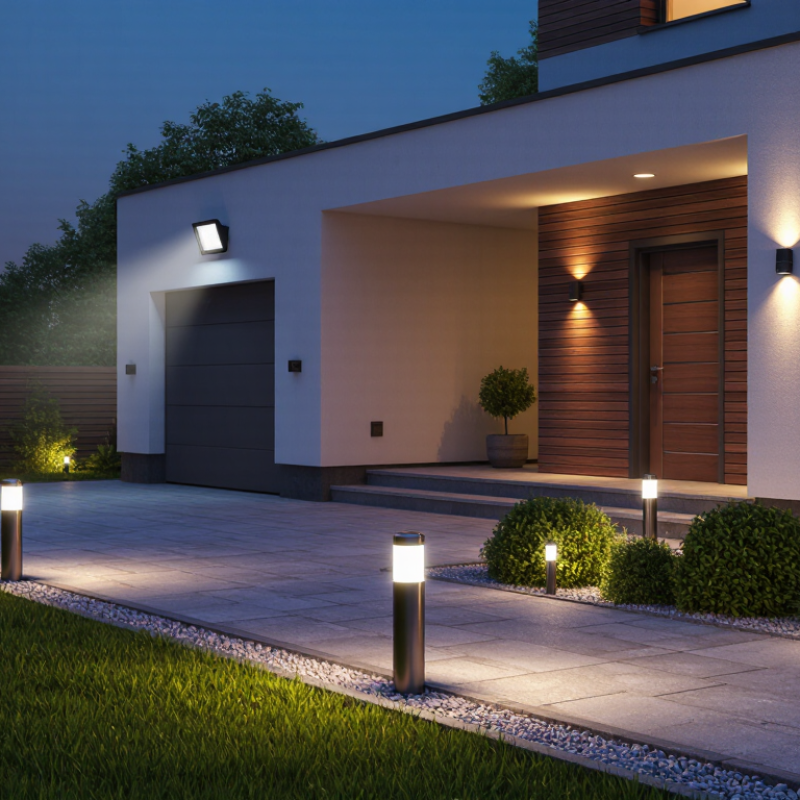
Defining outdoor lighting needs starts with the property, not the product. Walk the site after sunset and mark entrances, steps, paths, parking edges, patios, and dark corners. Each area needs a different job. Path lights guide movement, while wall fixtures support entry visibility. Security lighting should reveal activity without creating harsh glare.
The U.S. Department of Energy reports that LED products can use up to 75% less energy and last up to 25 times longer than incandescent lamps. That efficiency matters across large exterior areas. Still, lower wattage does not automatically mean better coverage. Measure the mounting height, beam spread, surface color, and expected viewing distance before choosing lumen output. The Illuminating Engineering Society recommends evaluating illuminance and uniformity, not brightness alone. Small details matter.
Think about neighbors, wildlife, and the night sky. CIE 150:2017 provides guidance for limiting obtrusive light, including spill and glare. Use shielded fixtures where possible, aim beams downward, and select warm color temperatures for residential settings. My first layout was too bright. It looked safe, but the glare hid faces near the doorway. That mistake changed the plan. I reduced output, added a lower path fixture, and tested the area from several angles. It was not perfect. Real sites rarely are. Recheck coverage after installation, especially when trees, furniture, or seasonal shadows change.
10 Exterior Lighting Tips for Choosing the Right Products
Assess each fixture by function before judging its appearance. Wall sconces can support entry safety, while shielded path lights guide feet without shining into windows. The U.S. Department of Energy reports that LED products use at least 75% less energy than incandescent lighting and can last up to 25 times longer. That difference matters around garages, gates, and entrances that operate every night.
Placement changes the entire visual result. Mount entry fixtures near eye level, then test the beam from the sidewalk. A narrow beam may look elegant. It can also create harsh shadows. Use wide, low-output fixtures for steps and textured walls. IES and DarkSky guidance recommends useful, targeted, low-level, controlled, and warmer outdoor lighting. Aim downward whenever possible. Less glare feels better.
Color temperature needs restraint. Warm light, typically 2700K to 3000K, often suits wood, brick, and planted areas. Cooler light can make concrete appear cleaner, but it may feel exposed or clinical. Timers, photocells, and motion controls prevent unnecessary operation. The U.S. Environmental Protection Agency notes that efficient lighting and controls can reduce electricity use substantially in residential applications. Check weather ratings, drainage, mounting surfaces, and maintenance access. I have seen attractive fixtures fail because water collected behind the housing. Looks are not enough.
| Tip | Fixture Type | Primary Function | Recommended Placement | Typical Light Output | Suggested Color Temperature | Weather-Resistance Guidance | Style Considerations | Practical Selection Note |
|---|---|---|---|---|---|---|---|---|
| 1 | Wall Sconce | Entry lighting, pathway orientation, and architectural accenting | Beside doors, garages, gates, and covered outdoor walls; generally mounted around eye level | 400–1,000 lumens per fixture | 2700–3000K for a welcoming appearance | IP44 minimum; use IP65 where the fixture is directly exposed to heavy rain | Choose an up-and-down design for visual interest or a shielded design to reduce glare | Check the fixture depth so it does not obstruct narrow walkways or door swings |
| 2 | Motion-Sensor Floodlight | Security, broad-area illumination, and movement detection | Driveways, side yards, service entrances, and other areas requiring occasional bright light | 1,000–3,000 lumens per fixture | 3000–4000K for improved visibility and contrast | IP65 or higher for exposed locations | Use a compact, dark-finish housing to minimize visual impact on residential façades | Adjust the sensor direction and detection range to avoid triggering from public paths or neighboring properties |
| 3 | Pathway Bollard | Low-level guidance and pedestrian safety | Along walkways, garden paths, and driveway edges; keep fixtures clear of mowing routes | 100–500 lumens per fixture | 2700–3000K for comfortable nighttime viewing | IP44–IP65, depending on exposure and drainage conditions | Use shielded or downward-facing optics to reduce glare and protect dark-sky visibility | Space fixtures consistently and avoid creating alternating bright and dark patches |
| 4 | In-Ground Uplight | Highlighting trees, columns, walls, sculptures, and landscape features | Installed flush with paving or soil at the base of the feature being illuminated | 300–1,200 lumens per fixture | 2700–3000K for warm architectural and landscape effects | IP67 recommended for fixtures installed in soil or areas exposed to standing water | Use adjustable beam angles to create either a narrow accent or a wider wall-wash effect | Provide adequate drainage and use corrosion-resistant materials in damp or coastal environments |
| 5 | Post Lantern | Driveway marking, garden orientation, and decorative illumination | Driveway entrances, courtyard corners, fence lines, and larger garden areas | 300–900 lumens per fixture | 2700–3000K to complement traditional or transitional architecture | IP44 minimum; select higher protection for fully exposed installations | Match the height, finish, and silhouette with nearby doors, railings, and fencing | Use frosted or diffused glazing when the lantern is located near eye level |
| 6 | Ceiling Flush Mount | General illumination for covered porches, verandas, and outdoor corridors | Under roof overhangs, covered patios, entry canopies, and sheltered balconies | 800–1,500 lumens per fixture | 2700–3500K, depending on the desired warmth and task needs | IP44 or higher; confirm suitability for damp or wet locations | Low-profile forms work well where ceiling height is limited and head clearance is important | Choose a sealed diffuser to reduce insect entry and simplify cleaning |
| 7 | Pendant Light | Focused lighting for outdoor dining and seating areas | Covered patios, pergolas, porches, and exterior dining tables | 600–1,500 lumens per fixture | 2700–3000K for relaxed dining and entertaining | IP44 minimum; use only products specifically rated for the installation environment | Select a scale that suits the table and ceiling; avoid oversized shades in compact spaces | Confirm the suspension height and ensure the fixture will not interfere with circulation or sightlines |
| 8 | Recessed Step Light | Illuminating stairs, retaining walls, and changes in level | Installed in risers, adjacent walls, or low side panels along stairways and ramps | 50–200 lumens per fixture | 2700–3500K for clear but comfortable visibility | IP65 recommended for exposed steps and masonry installations | Use a concealed or louvered source to prevent direct glare while preserving a clean appearance | Place lights consistently across each level and avoid positioning them where they can be struck or damaged |
| 9 | String or Festoon Light | Decorative ambience and temporary or seasonal area lighting | Patios, pergolas, balconies, trees, fences, and outdoor entertainment areas | 50–100 lumens per lamp | 2200–2700K for a soft, decorative glow | IP44 minimum; use weather-rated sockets, cables, and connectors | Visible bulbs create a casual atmosphere; shielded lamps provide a more understated look | Support cables independently and keep electrical connections elevated and protected from water |
| 10 | In-Deck or In-Paving Light | Subtle orientation lighting and edge definition | Deck boards, terraces, courtyards, driveway borders, and pedestrian routes | 20–150 lumens per fixture | 2700–3000K for low-glare visual guidance | IP67 or higher for ground-level installations exposed to moisture | Small, flush fixtures preserve a minimalist appearance and reduce trip hazards | Verify the load rating for walkable surfaces and plan cable access before construction is completed |
Choosing exterior lighting starts with comparing brightness, color temperature, and light distribution rather than trusting product labels. Lumens show total output, but they do not explain how light reaches a pathway or wall. Measure the area first. A narrow walkway may need modest brightness, while a dark driveway needs stronger, evenly spaced fixtures. Excessive brightness can create glare, harsh shadows, and unnecessary energy use.
Color temperature affects both comfort and visibility. Warm light around 2700K to 3000K usually suits patios, gardens, and residential entrances. Neutral white light, near 3500K to 4000K, can reveal surface details more clearly around steps and parking areas. Cooler light may appear crisp, but it can feel stark and expose every flaw in a landscape. I have seen attractive stonework look unpleasant under overly blue lighting. The specification seemed reasonable. The result was not.
Light distribution deserves equal attention. Narrow beams highlight trees, columns, or textured walls, while wider beams spread illumination across paths and seating areas. Look for shielding that directs light downward and reduces glare from normal viewing angles. Check the beam angle, mounting height, and nearby reflective surfaces before choosing. Measure, do not guess. A trial installation with one fixture can reveal dark spots that a product photograph hides. Even experienced installers sometimes overestimate brightness and underestimate shadows. That mistake is easy to make, and expensive to correct.
Use the chart to compare typical target illuminance levels for common outdoor areas. Select a color temperature and beam spread that suit the task without creating glare or excessive spill light.
| Application | Typical Target Illuminance | Suggested Color Temperature | Typical Distribution |
|---|---|---|---|
| Entry Path | 10–20 lux | 2700–3000 K | Wide, 60–120° |
| Front Door | 20–50 lux | 2700–3000 K | Medium, 25–60° |
| Exterior Steps | 50–100 lux | 2700–3500 K | Controlled, 10–30° |
| Driveway | 10–20 lux | 2700–3500 K | Wide, 60–120° |
| Patio | 20–50 lux | 2200–3000 K | Wide, 60–120° |
| Deck Stairs | 50–100 lux | 2700–3000 K | Controlled, 10–30° |
| Facade Wash | 10–30 lux | 2700–3500 K | Medium, 25–60° |
| Landscape Accent | 5–20 lux | 2200–3000 K | Narrow, 10–25° |
| Security Perimeter | 10–30 lux | 3000–4000 K | Wide and even, 60–120° |
| Pool Surround | 50–100 lux | 3000–4000 K | Wide, 60–120° |
Lower color temperatures generally create a warmer, more comfortable residential appearance, while higher temperatures can improve visual contrast for security areas. Use narrow beams for accents and architectural details, and wider distributions for paths, patios, and driveways. Actual requirements vary with surface reflectance, mounting height, local regulations, and surrounding ambient light.
Outdoor fixtures face rain, dust, heat, and sudden temperature changes. Check the product’s IP rating before comparing appearance or price. A higher rating usually offers better protection against moisture and particles. For coastal homes, corrosion-resistant materials matter because salty air attacks exposed metal. Look for sealed connections, UV-resistant finishes, and drainage paths that prevent trapped water.
I once underestimated wind-driven rain near a doorway, and the fixture needed replacement sooner than expected.
Energy use deserves practical attention. Compare lumens, watts, and expected operating hours rather than choosing by wattage alone. Efficient LED lighting can reduce electricity demand, but brightness still needs to match the walkway, steps, or entrance. Motion sensors and timers can prevent lights from running all night. Test their positioning carefully. A sensor aimed toward a busy road may trigger repeatedly and waste energy. Dark-sky-friendly shielding also limits glare into windows and neighboring properties.
Installation requirements are easy to overlook. Confirm voltage, mounting surfaces, cable access, and weatherproof junction boxes before ordering. Outdoor wiring should include proper grounding and follow local electrical regulations. A qualified electrician is appropriate when circuits, buried cables, or mains voltage are involved. Read the installation guide, even when the fixture seems simple. It may require a specific seal, clearance, or mounting angle.
My planning has improved, but I still measure twice; attractive products can be unsuitable for the site.
Choosing exterior lighting requires more than checking brightness and appearance. Evaluate controls before purchasing. Photocells can switch lights on at dusk, while timers support predictable schedules. Motion sensors help reduce wasted energy near driveways and entrances. Test the detection range at night, not only in daylight. Small details matter.
Maintenance affects performance and long-term value. Choose sealed fixtures with accessible lenses and corrosion-resistant hardware. Inspect gaskets, wiring, and mounting points after severe weather. Clean lenses twice a year, especially near dusty roads or coastal air. Replace damaged seals quickly. Water always finds weak spots.
Safety should guide every installation decision. Confirm that products are rated for outdoor exposure and suitable for wet locations. Use properly protected connections and follow local electrical requirements. Keep fixtures away from trip hazards, tree branches, and combustible materials. Soft, shielded light can improve visibility without shining into windows or drivers’ eyes. It feels safer.
I once selected a low-cost fixture that looked adequate in the showroom. Its coating faded, and its sensor became unreliable within one winter. That mistake changed how I compare products. I now consider energy use, replacement access, warranty terms, and expected service life together. The cheapest purchase is not always the least expensive choice. Allow room for uncertainty. Even careful planning cannot predict every storm, repair, or future change in the property.
TERMS OF USE - LEDOLUX
This site uses cookies in order to deliver services in accordance with Privacy Policy. You can use settings within your browser to control the cookies that are set on your computer – conditions of access or storage of cookies.
Your data controller will be LEDOLUX POLAND SP. ul. Innowacyjna 1; 36-060 Głogów Małopolski, which adapts the content of its website to your needs and analyses and examines them to improve it. More information.