Why Are Solar Connectors Essential for Your Solar System?
Solar Connectors play a vital role in any solar system. They ensure safe and reliable connections between solar panels and inverters. Without these connectors, the entire system could face performance issues or even safety hazards.
The right Solar Connectors help optimize energy transfer. Poor connections can lead to energy losses, reducing overall efficiency. It's crucial to choose connectors that can withstand environmental factors like moisture and temperature changes. Failing to consider these aspects may lead to costly repairs or system failures.
Understanding the importance of Solar Connectors is essential for anyone venturing into solar energy. Proper installation and maintenance can significantly extend the lifespan of your solar system. It’s not just about setting up panels; it’s about ensuring every component functions harmoniously. Missteps in choosing connectors could compromise the entire solar setup. In a field as complex as solar energy, knowledge is power.
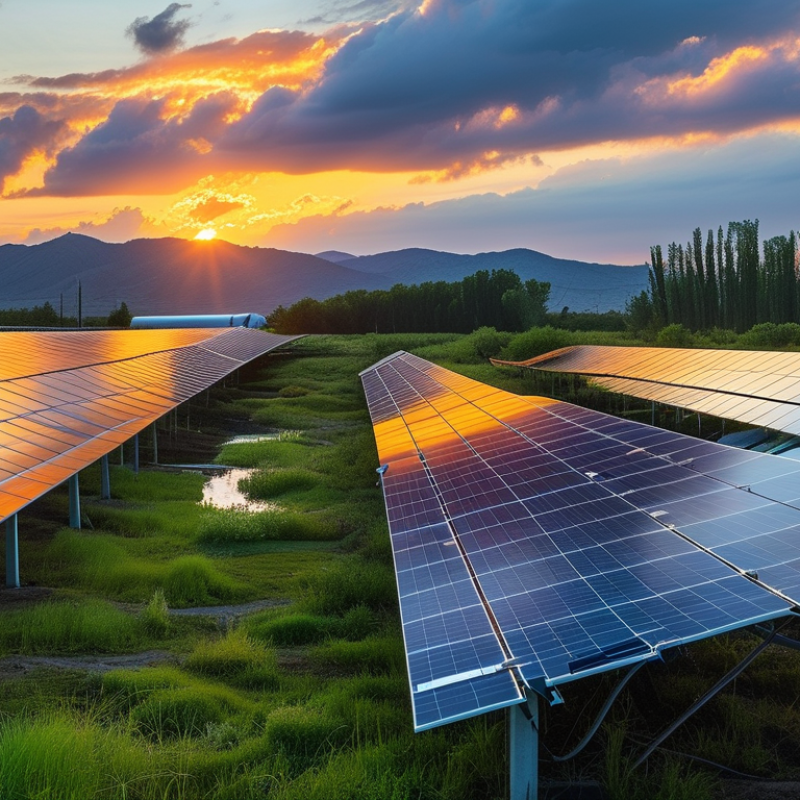
Importance of Solar Connectors in Solar Energy Systems
Solar connectors play a pivotal role in solar energy systems. They are essential for establishing efficient electrical connections between solar panels, inverters, and batteries. According to the Solar Energy Industries Association (SEIA), improper connection can reduce energy output by nearly 30%. This highlights the need for quality connectors in ensuring optimal performance.
The durability of solar connectors is critical. Many connectors are exposed to harsh weather conditions. UV radiation, moisture, and extreme temperatures can degrade them over time. A report from the National Renewable Energy Laboratory indicates that connectors failing prematurely can cause significant energy loss and increase maintenance costs. Engineers emphasize that reliable connectors provide a stable interface, which enhances the overall lifespan of the solar system.
However, not all solar connectors are created equal. Quality discrepancies exist within the market. Inconsistent manufacturing processes can lead to failures that compromise system efficiency. This inconsistency challenges both consumers and installers. Users should be informed about connector specifications and certifications. With the solar industry growing rapidly, understanding these components will foster better choices and optimizations in solar technology.
Types of Solar Connectors Used in Photovoltaic Systems
Solar connectors play a vital role in photovoltaic systems. They ensure a secure and efficient connection between solar panels and inverters. There are several types of solar connectors commonly used today. Each type supports specific requirements regarding compatibility and performance.
MC4 connectors are among the most popular. They feature a simple locking mechanism that secures the connection. Proper installation and maintenance are essential to avoid common mistakes. For example, using mismatched connectors can lead to power loss or safety hazards.
Another type is the XT60 connector. Often utilized in small-scale setups, this connector handles high current loads. It’s crucial to check the specifications before use. Ensure your chosen connector supports the system's voltage and amperage.
Tips: Always shield connections from moisture. This practice helps to prevent corrosion over time. Additionally, regularly inspect connectors for wear and tear. Keeping your solar system’s connections in good shape enhances overall performance.
Why Are Solar Connectors Essential for Your Solar System? - Types of Solar Connectors Used in Photovoltaic Systems
| Connector Type | Description | Applications |
| MC4 Connectors | Standard connector type for solar modules ensuring secure and weatherproof connections. | Widely used in outdoor photovoltaic installations. |
| Tyco Connectors | Specialized connectors designed for maximizing efficiency and safety in solar systems. | Used in high-performance solar installations. |
| H4 Connectors | Compact connectors that facilitate easy connections between modules and inverters. | Ideal for limited space systems and residential setups. |
| Anderson Connectors | High-current connectors that provide exceptional performance in demanding applications. | Suitable for portable solar solutions and battery connections. |
| Solar Cables | Flexible cables that are UV resistant and designed for long-lasting durability. | Essential for connecting solar panels to inverters and other components. |
Key Features to Look for in Quality Solar Connectors
When selecting solar connectors, quality is key. Durable materials are essential for high performance. Look for connectors made from UV-resistant plastics. This ensures they withstand harsh weather. Connectors should also be waterproof to prevent any electrical issues. A secure and robust seal is vital for long-term use.
Proper electrical ratings matter too. Check if the connectors can handle the voltage and current of your system. Many connectors fall short in high-output situations. This can lead to overheating or inefficiencies. Also, consider the ease of installation. A simple, user-friendly design saves time and reduces mistakes.
Some connectors may not fit well with other components. Ensure compatibility with your solar panel and inverter. Avoid connectors that are too complicated. Remember that overcomplicating the setup can lead to future maintenance issues. Choosing high-quality solar connectors protects your investment, but it also requires careful thought.
Installation Best Practices for Solar Connectors
When installing a solar system, proper handling of solar connectors is crucial. These connectors ensure safe and efficient energy transfer. They protect against moisture and dust, which can compromise the system. A solid connection between panels and inverters plays a vital role. Misalignment or poor connections can lead to energy losses.
Always ensure your connectors are compatible with the system. Check for proper sealing and strain relief features. These details help maintain a reliable connection. Installing connectors in a dry, clean area reduces the risk of contamination. Avoid bending cables sharply; this can damage them.
Regularly inspect solar connectors for wear and tear. A proactive approach can prevent larger issues down the road. Remember, even small details matter in solar installation. Ignoring best practices could lead to inefficiencies. Take the time to do it right. Quality connections gain value over time through performance.
Maintenance Tips for Ensuring Optimal Performance of Solar Connectors
Solar connectors play a critical role in the efficiency and longevity of solar systems. Regular maintenance of these components is essential. Neglecting them can lead to performance issues. According to the National Renewable Energy Laboratory (NREL), improper connections can reduce energy output by up to 30%. Ensuring that connectors are clean and securely attached is crucial for optimal energy transfer.
One effective maintenance tip is to inspect connectors regularly for signs of corrosion or damage. Even minor wear can lead to significant power losses. A recent study from the Solar Energy Industries Association (SEIA) highlighted that nearly 15% of solar system failures are linked to connector issues. Keeping connectors free of moisture can prevent corrosion, which is a common cause of failure.
Additionally, using the right tools for inspection can enhance reliability. Visual checks should be complemented with electrical tests to confirm connectivity. It's important to remember that these small components can have large implications. Regular maintenance practices can significantly extend the lifespan of connectors and ensure that your solar system operates at peak efficiency.
Importance of Solar Connectors in System Performance