China Top PPR Heater Machine Manufacturers for Buyers
China’s Ppr Heater Machine manufacturers are attracting buyers seeking stable heating, compact designs, and competitive production costs. Demand is closely linked to PPR pipe installation, water infrastructure, and building renovation. Industry reports from The Freedonia Group and Grand View Research identify construction and replacement projects as important drivers for global plastic-pipe equipment demand.
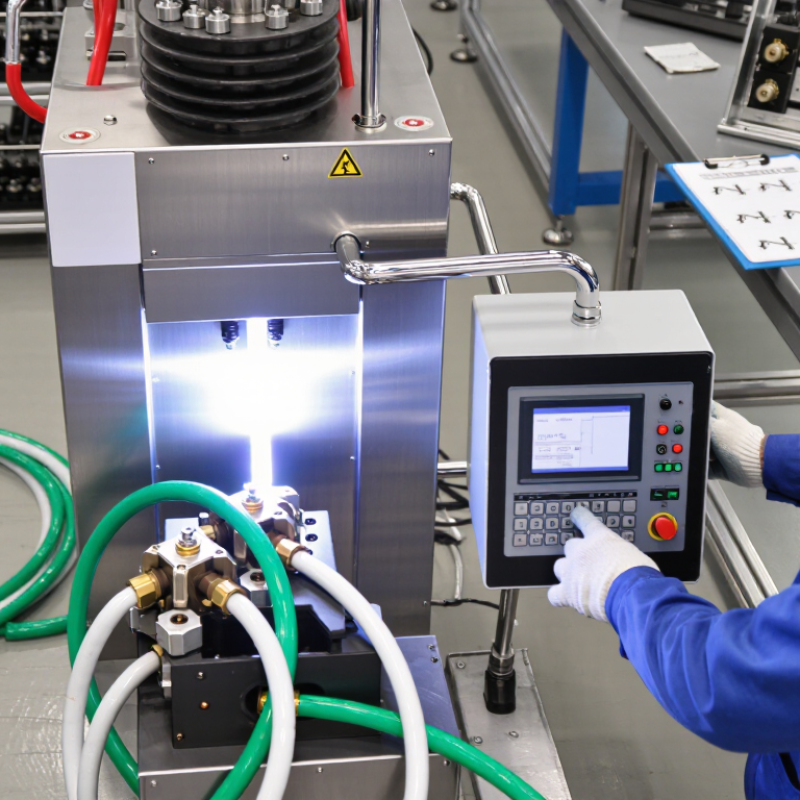
Yet, broad market growth does not guarantee a reliable machine. Buyer experience matters. A machine may show polished stainless steel, digital temperature controls, and a neat workshop floor. Its heating stability may still vary under continuous production. That small gap can become a large quality problem.
ISO 15874 provides requirements for polypropylene piping systems. DVS 2207-1 also offers useful guidance for thermoplastic welding practices. These references help buyers examine temperature accuracy, heating-plate coating, pressure control, spare parts, and operator safety. Ask for test records, sample joints, component brands, and production videos. A factory visit remains valuable, even when online communication feels efficient.
W. Edwards Deming, a respected manufacturing quality expert, said, “Quality comes not from inspection, but from the improvement of the production process.” His principle fits Ppr Heater Machine purchasing well. Consistent design and process control matter more than attractive brochures.
The strongest Chinese suppliers usually explain limitations clearly. That honesty is useful. I would still question unsupported output claims, unclear warranty terms, and vague heating tolerances. Machines deserve practical evaluation, not simple catalogue comparison. A careful buyer checks performance with real pipe sizes, real operators, and realistic production pressure.
PPR Heater Machines Explained: ISO 15874 Pipe Sizes from 20–160 mm
PPR heater machines join polypropylene random copolymer pipes by socket fusion. For buyers comparing Chinese manufacturers, size coverage matters as much as price. ISO 15874 piping systems commonly use outside diameters from 20 to 160 mm. These include 20, 25, 32, 40, 50, 63, 75, 90, 110, 125, and 160 mm. Actual availability can vary by pressure class and project specification.
A machine should hold the die firmly and keep heat stable across the socket. Many site procedures work near 260°C, but approved pipe instructions must control the setting. Diameter alone does not determine heating time. Wall thickness, ambient temperature, and insertion depth also affect the joint.
For 20–63 mm pipes, manual tools may suit compact work. Larger sizes need stronger clamps, wider dies, and steadier alignment. Small errors matter.
Reliable buyers ask for temperature verification, electrical safety records, spare dies, and a clear calibration process. They should inspect test samples at several sizes, not only the smallest pipe. A clean die prevents scorched polymer from marking the fusion surface. Uneven pressure can leave a weak bead or reduce the flow area.
I would not accept a size chart without a physical demonstration. It sounds cautious. It is. Even experienced installers can overheat a fitting when production becomes rushed. Purchase decisions should consider repeatability, operator training, and technical support.
China’s Leading Manufacturers: Certifications, Factory Capacity, and Export Data
China Top PPR Heater Machine Manufacturers for Buyers
Reliable Chinese PPR heater machine manufacturers support their claims with verifiable certifications. Buyers should request ISO 9001 records, product test reports, and applicable CE documentation. Certification scope matters. It should cover the machine model, electrical system, and production site. Ask for current certificates, not scanned files from several years ago. A factory audit can also confirm calibration labels, safety guards, and final inspection procedures. Small details often reveal real manufacturing discipline.
Factory capacity deserves closer attention than impressive showroom photos. Check the workshop area, assembly stations, CNC equipment, and testing benches. A capable plant should explain its monthly output and normal lead time clearly. It should also keep spare heating plates, sensors, controllers, and handles in stock. Some suppliers quote high capacity but outsource key components. That is a weakness worth recording. Production numbers may change during peak seasons, so buyers should compare stated capacity with recent purchase orders and inspection records.
Export data offers another useful reliability check. Request anonymized shipping records, customs documents, and destination-market information from recent years. A consistent export history suggests experience with packaging, manuals, voltage requirements, and after-sales communication. Review the percentage of export sales, repeat-order rates, and average shipment size. Do not rely on one impressive figure. Data can be incomplete. Buyers should verify it through independent inspections, sample testing, and a small trial order before approving larger production.
Buyer Checklist: MOQ, Pricing, Warranty, Lead Time, and After-Sales Support
When evaluating China-based PPR heater machine manufacturers, start with a written specification. State pipe diameter, heating temperature, voltage, mold requirements, and expected daily output. A vague request produces vague pricing. Ask whether the MOQ means one complete machine, one heating plate, or spare parts. Confirm packaging, export documents, installation tools, and shipping terms separately. These details prevent a cheap quotation from becoming an expensive surprise. Request factory videos, test records, and a recent inspection report where available.
Pricing should be compared by total operating cost, not the machine price alone. Check heater wattage, control accuracy, replacement-part prices, and energy use. Ask for a warranty with a clear period, covered components, and response time. “One-year warranty” is incomplete if heating elements and controllers are excluded. Request written evidence. A reliable supplier should explain calibration, safety checks, and common failure points clearly. If answers change between sales staff and engineers, pause before paying.
Lead time needs separate dates for production, testing, packing, and dispatch. For urgent projects, ask whether a finished unit is actually in stock. After-sales support matters more after installation. Confirm remote commissioning, manuals, wiring diagrams, spare-part availability, and technician contact channels. Request a troubleshooting video using your exact controller. It may feel excessive. It is not. This checklist still has a weakness: supplier promises are not proof. A paid sample test or third-party inspection can reveal uneven heating, poor finishing, or missing accessories before a larger order.