Top Surge Protective Devices You Need for Ultimate Safety?
Surge Protective Devices are essential for protecting valuable electronics. As John Thompson, an industry expert, states, "A good surge protective device is not just a luxury; it's a necessity." Many homes and businesses overlook this critical safety measure. Often, they underestimate the damage that power surges can cause.
In recent years, the increase in electronic devices has heightened the need for Surge Protective Devices. These devices prevent unexpected spikes in voltage, which can lead to costly repairs or replacements. A reliable system can safeguard everything from computers to home appliances. However, choosing the right device can be daunting. There is a plethora of options available, and not all devices meet safety standards.
Reflecting on the evolving technology landscape, it's clear that education about Surge Protective Devices is crucial. Many may not realize their importance until a surge affects their devices. Investing in high-quality surge protection is wise, considering the potential risks. Ultimately, awareness can lead to better protection and peace of mind in our increasingly digital lives.
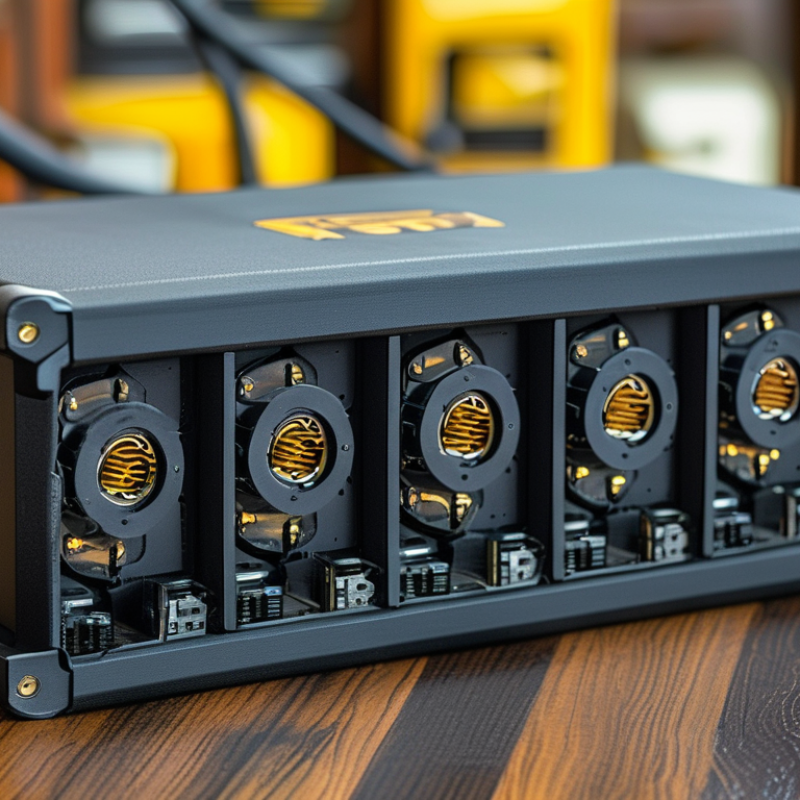
Understanding the Importance of Surge Protection for Your Devices
Electrical surges can happen anytime. They can damage or destroy your devices quickly. Understanding the importance of surge protection is essential for everyone. A surge can be caused by lightning strikes, power outages, or even faulty wiring. This unpredictability highlights the need for protective measures.
A reliable surge protective device (SPD) acts as a barrier between your devices and harmful voltage spikes. It allows normal current to flow while blocking dangerous surges. Consider using power strips with built-in surge protection. These are especially useful for home offices where multiple devices connect to a single outlet.
Tips: Always check the rating of the surge protector. A higher joule rating generally means better protection. Don’t ignore warning signs like flickering lights or blown fuses. They could indicate underlying electrical issues. Regularly inspect your devices for wear and tear. They may still be functioning, but they might need replacement for optimal safety.
Types of Surge Protective Devices: An Overview of Options
Surge protective devices (SPDs) are essential for safeguarding electrical systems. They are designed to prevent damage from voltage spikes. There are several types of SPDs, each serving a specific purpose. Understanding these options is crucial for optimal protection.
Classified by their installation type, there are three main categories: Type 1, Type 2, and Type 3 devices. Type 1 SPDs are installed at the service entrance where utility power enters the building. They provide a first line of defense. Type 2 SPDs are usually placed in the main electrical panel. They are ideal for protecting against residual surges. Type 3 devices are installed at the point of use, such as in power strips or behind equipment. This layered approach enhances overall safety.
According to recent reports from the National Institute of Standards and Technology, surges can occur due to both external and internal factors. Factors like lightning strikes are external, while internal surges can originate from devices cycling on and off. Installing a combination of these SPDs can significantly reduce the risk of damage. However, it’s also vital to regularly maintain these devices. They can degrade over time, and their effectiveness may diminish. Ignoring such maintenance can lead to unexpected failures, prompting the need for reflection on one's safety measures.
Key Features to Consider When Choosing a Surge Protective Device
When selecting a surge protective device, it’s crucial to focus on key features. Look for devices with a high joule rating. The joule rating indicates how much energy the device can absorb during a power surge. A higher rating means better protection. Consider how often you experience electrical surges in your area. If surges are common, opt for a higher joule rating to ensure your equipment remains safe.
Response time is another vital aspect. A device with a faster response time can react quickly to surges. This minimizes damage to your electronics. Check if the device includes features like indicator lights. These lights can alert you when the protection is compromised. Regularly monitoring these indicators helps maintain safety.
Installation ease matters too. Some devices are easier to install than others. A straightforward installation means you can set it up without hiring a professional. Think about the number of outlets you need to protect. If you have multiple devices, buy a surge protector that can accommodate them all. While it’s tempting to choose the cheapest option, reflect on the long-term value of solid protection. Quality may cost more initially but saves money in the long run.
Top Surge Protective Devices You Need for Ultimate Safety
Top Recommendations for Surge Protectors in Home Use
Surge protectors are essential for safeguarding your home’s electronic devices. A report from the National Fire Protection Association reveals that surge events can damage your appliances, leading to costly repairs. In fact, power surges account for millions in losses annually. Selecting the right surge protective device (SPD) can mitigate these risks effectively.
When considering surge protectors, prioritize those with a high joules rating. A higher rating indicates better protection levels. Many experts recommend units that offer at least 1,000 joules for home use. Look for additional features like indicator lights and response times. Quick response times, ideally under 1 nano-second, can offer significant defense against voltage spikes. However, some users struggle with complexity when choosing the right model. Watching product reviews can ease this process.
Proper installation is vital. A poorly installed surge protector might not provide adequate safety. Routine checks are also necessary to ensure your device is functioning. Remember, surge protectors have a limited lifespan. Regularly replacing them ensures continued protection. It’s easy to overlook but essential for the longevity of your electronics.
Maintenance Tips to Ensure Optimal Performance of Surge Protectors
To maintain the optimal performance of surge protective devices, regular inspections are essential. Check for wear and tear on cables and connections. A frayed wire can greatly reduce the protector's effectiveness. Dust accumulation can also hinder performance. Ensure you clean around the device periodically.
Testing the surge protector is another critical step. Many devices come with indicator lights. A green light usually means it's functioning properly. If it's red or off, replacement might be necessary. Don't wait for a storm to check; do it every few months. Keeping records of these checks can help track the health of the device over time.
Lastly, do not overload your surge protectors. Each device has a specified capacity. Exceeding this limit can lead to failure. It’s wise to distribute your devices evenly across multiple surge protectors. This care can ensure your home or office remains a safe environment for your electronics. Impacts from surges can be detrimental, so staying proactive is key.